GDPR in video security: What you need to consider
To protect your business from vandalism, break-ins, theft, and espionage with professional video surveillance, AI tools play a crucial role in ensuring compliance with GDPR regulations.

Mireia Maestro
GDPR
Mar 6, 2024
4 min read
Although these innovative technologies make a clear contribution to data protection compliance, it remains crucial during the initial planning and installation of video surveillance systems to establish a solid framework for GDPR-compliant monitoring from the beginning, to ensure that AI tools can effectively fulfill their supportive role. Particularly during the initial installation, users tend to make mistakes. This is where the inclusive service from NSTR Security comes into play, which not only enables a GDPR review of your video security planning but also supports the planning, installation, and ongoing GDPR-compliant operation of your systems. Rely on our expertise to meet your security requirements while complying with the strict provisions of the GDPR.
GDPR Guidelines for a Solid Framework of Your AI Video Surveillance
The GDPR contains clear regulations that must be considered when implementing video surveillance systems. If you are planning new video surveillance, you should primarily:
clearly define the purpose limitation
strategically plan the location
ensure transparent communication
keep data minimization in mind
implement data security measures
establish deletion concepts
Especially when it comes to video recordings, the setup should primarily aim to pixelate public areas and automatically anonymize individuals. This ensures that only the specifically designated surveillance area is documented without violating the privacy of uninvolved parties.
AI and Automatic Pixelation
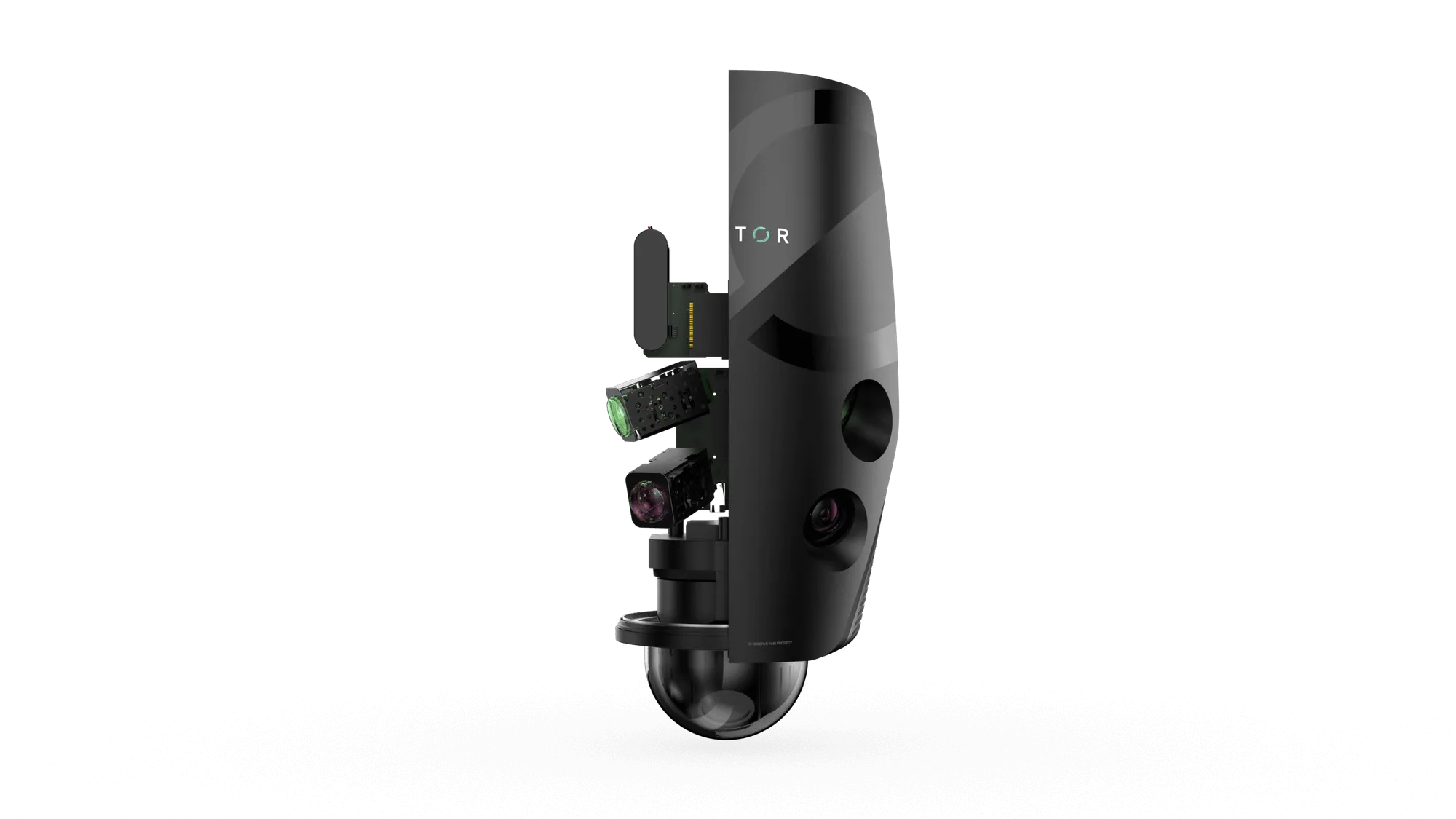
The integration of AI into surveillance systems like our NSTR video systems allows for automatic face pixelation alongside the accompanied pixelation of public areas via an app. This technological advancement not only provides an effective solution for GDPR compliance regarding individuals in public areas but also retains the ability to identify potential offenders entering the surveillance area. The opportunity to use AI for automatic pixelation means always acting in compliance with the GDPR while maximizing security when offender identification supported by video footage is necessary.
The NSTR Service: Trust in GDPR Compliance
For new users of security systems, such as our NSTR all-inclusive service, the assurance that their video surveillance is GDPR-compliant is provided. Beyond the AI support, NSTR goes a step further by offering a control center with professional GDPR officers. These experts not only review the self-established surveillance for compliance but also adjust it in collaboration with the user when necessary. This way, companies and organizations can be sure that their video surveillance meets the stringent requirements of the GDPR.
Conclusion
AI features, especially automatic face pixelation, play a crucial role in ensuring GDPR compliance in video surveillance. The intelligent use of these technologies not only enables effective data protection but also the identification of potential dangers. With advanced systems like NESTOR, users can have confidence in their security measures while fulfilling the strict provisions of the GDPR.